First Aid for Nose Bleeds

How-To
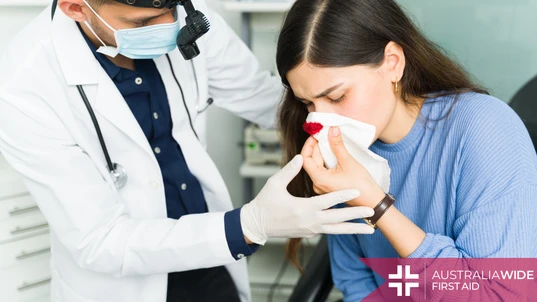 Although nosebleeds may be frightening, it's important to remember that with the right knowledge, anyone can effectively handle nosebleeds. Knowing how to treat a nosebleed is important, as preventing it is better than dealing with it later.
Nosebleeds are very common, about 60% of the population has experienced at least one nosebleed in their life. Although, nosebleeds are most common in people ages 2-10.
This article will equip you to confidently handle nosebleeds when they occur.
Although nosebleeds may be frightening, it's important to remember that with the right knowledge, anyone can effectively handle nosebleeds. Knowing how to treat a nosebleed is important, as preventing it is better than dealing with it later.
Nosebleeds are very common, about 60% of the population has experienced at least one nosebleed in their life. Although, nosebleeds are most common in people ages 2-10.
This article will equip you to confidently handle nosebleeds when they occur.
Nosebleed Symptoms
Although nosebleeds can be obvious, there are many less-known symptoms that can help you identify nosebleeds much earlier. Identifying medical problems like nosebleeds early can lead to speedy treatment, quicker recovery, and limit potential damage to the victim. The most obvious symptom of a nosebleed is bleeding from one or both nostrils. Although it's the most obvious, it is usually the last symptom, meaning it will take longer to identify and treat. A symptom that often occurs much earlier is the sensation of liquid streaming down the back of the mouth. People often describe the taste of the liquid as slightly salty or metallic. Even though this symptom is fairly unknown, it can help identify a nosebleed much earlier than simply waiting for blood. Additionally, people who are bleeding from the nose might frequently experience the urge to swallow. This reflexive response is a result of the blood trickling down the back of the throat. By knowing these signs, you can quickly identify a nosebleed and take immediate and effective action to treat it.Treatment Techniques
Learning the proper procedures to follow for treating a nosebleed immediately and effectively is a very useful skill. The most effective technique is to firmly pinch the fleshy portion of the nose, specifically targeting the area right below the bone. This simple method enables you to apply direct pressure to the injured blood vessels, which helps to stop the bleeding. Moreover, maintaining the right posture during a nosebleed is crucial. Experts recommend that individuals sit down and lean slightly forward. This position helps prevent blood from flowing down the throat, which reduces the risk of swallowing or inhaling the blood. Make sure to continue doing this until the bleeding stops and then rest for at least 10 minutes after that. By using this method, you can successfully control a nosebleed and minimize potential discomfort or complications. If you are experiencing frequent nosebleeds or the bleeding isn't stopping, seek medical aid.Causes of Nosebleeds
There are a variety of reasons that a nosebleed may occur. Therefore, we recommend visiting a healthcare professional to diagnose any potential issue. One cause is dry air, dry and hot air causes the nasal membrane to dry out and crack. Although it doesn't directly cause bleeding, a dry nasal membrane increases the chances of bleeding when touched, rubbed, blown, etc. Thin walls within the nasal membrane can also cause more frequent nosebleeds. Thinner walls within the nasal membrane make it more sensitive, increasing the likelihood of nosebleeds. Another is high blood pressure or bleeding disorders. While neither of them causes the nose to bleed, they will result in a much greater volume of blood loss. High blood pressure, bleeding disorders, and blood thinning medication can lead to increased blood excretion. However, it is important to note that these factors are not the primary causes. Another issue that can cause fatal amounts of blood loss is blood clotting issues. This issue is similar to the previous ones as they can also be tied to blood clotting issues. Blood clotting issues cause blood to take longer to clot, which stops flowing when you bleed, resulting in increased blood loss. Finally, issues within arteries and veins can also cause nosebleeds. The most common blood vessels that cause nosebleeds are the small blood vessels in the septum, as they are fragile and have a tendency to burst fairly easily. Nosebleeds caused by burst blood vessels usually happen in one nostril, making it easy to identify the cause of the nosebleed. Since there are such a large variety of causes, healthcare professionals recommend visiting them to diagnose any potential issue.Common Misconceptions
When it comes to nose bleeds there is an abundance of false remedies and myths. One common misconception surrounding nosebleeds is the belief that tilting the head back can effectively stop the bleeding. However, it's important to understand that this practice has the potential to backfire and lead to further complications. While using this method may actually have the potential to stop external bleeding, it can lead to much worse. Doing this can prevent the blood clot from forming. It can also cause the blood to run down the back of the throat. Swallowed blood can irritate the stomach and cause digestive complications or vomiting. Another popular myth associated with stopping nosebleeds is the belief that inserting objects into the nose can help stop the bleeding. This is also incorrect as doing this can cause nasal obstruction, increase irritation, and even risks infection. It's important to debunk these myths about nosebleeds and provide accurate information for the proper management of nosebleeds. Armed with this information, you will be able to address nosebleeds effectively and take the appropriate measures for a speedy recovery.Additional Resources
Our video provides a comprehensive overview of nosebleed symptoms and nosebleed first aid. As well as, addressing common misconceptions about nosebleeds and providing accurate information. Watch our educational video to equip yourself with the information and abilities to deal with nosebleeds with confidence. Remember, acting and learning first aid can greatly impact emergency outcomes for yourself and others. And for our full suite of downloadable resources, head to our First Aid Chart library.
Originally published at
https://www.australiawidefirstaid.com.au/resources/first-aid-for-nose-bleeding
as part of the Australia Wide First Aid Articles Library
Related Articles
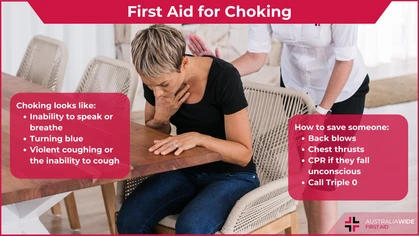
First Aid for Choking
Choking occurs when an object or a piece of food becomes lodged in the throat, blocking the airway. The adult or child will have difficulty breathing, and may lose consciousness. Quick and effective action is essential to prevent severe consequences and death.
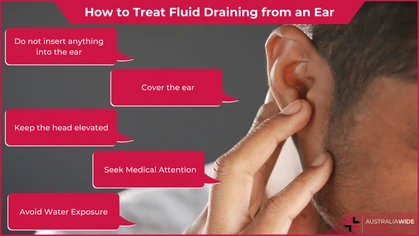
Fluid Draining from an Ear
Knowing how to provide first aid for fluid draining from an ear is crucial to alleviate discomfort and potentially prevent complications.
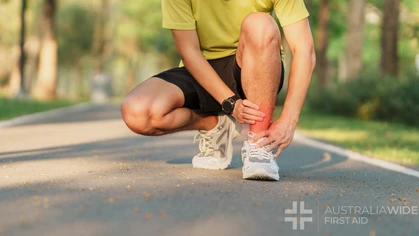
Relieving Shin Splints
Learn about Shin Splints Diagnosis and Treatment and Preventative Tips for this common injury that affects runners and athletes. Discover how to relieve pain and discomfort in the lower leg and prevent future episodes. Consult a healthcare professional for proper diagnosis and treatment options.
First Aid for Hypoglycaemia
Hypoglycaemia or low blood sugar, is a dramatic imbalance where the tissues, especially the brain cells, become starved of essential blood sugar. This can lead to the casualty becoming unconscious and death may follow within hours.
First Aid for Angina
Angina is a tightness, pressure or discomfort in the chest caused by a lack of blood and oxygen to the heart muscle. Angina does not damage the heart muscle, but can be a warning sign for heart attack.
First Aid for Dusky Flathead Sting
The Dusky Flathead is the largest flathead species in Australia. It is common in rocky reefs and shallow muddy areas along the Australian east coast. They have venomous spines along their body that can cause severe pain and possible infection.
First Aid for Hyperventilation
Hyperventilation is an emotional response to stress, anxiety or fear that quickens breathing. Hyperventilation depletes the carbon dioxide in the body and reduces the supply of oxygen to vital organs and can lead to blurred vision, hand and finger spasms, and even collapse.
First Aid for Crush Injury
A crush injury can result from any object that exerts applied and continual force on the body. Without immediate first aid and medical attention, a crush injury can lead to heart, lung, and kidney failure.
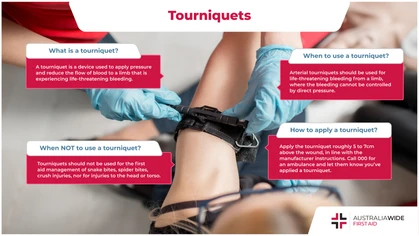
Tourniquets | First Aid How-To
A tourniquet is a device used to apply pressure and reduce the flow of blood to a limb that is experiencing life-threatening bleeding. When applied correctly, tourniquets can increase the rate of survival to 90%.
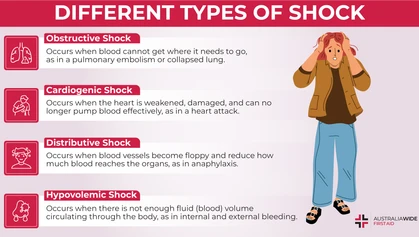
Shock | First Aid
Shock is a medical emergency that occurs when there is not enough blood circulating through the body due to an illness or injury, such as anaphylaxis or external bleeding. Shock is a deteriorating condition that does not allow the casualty to recover without medical intervention.